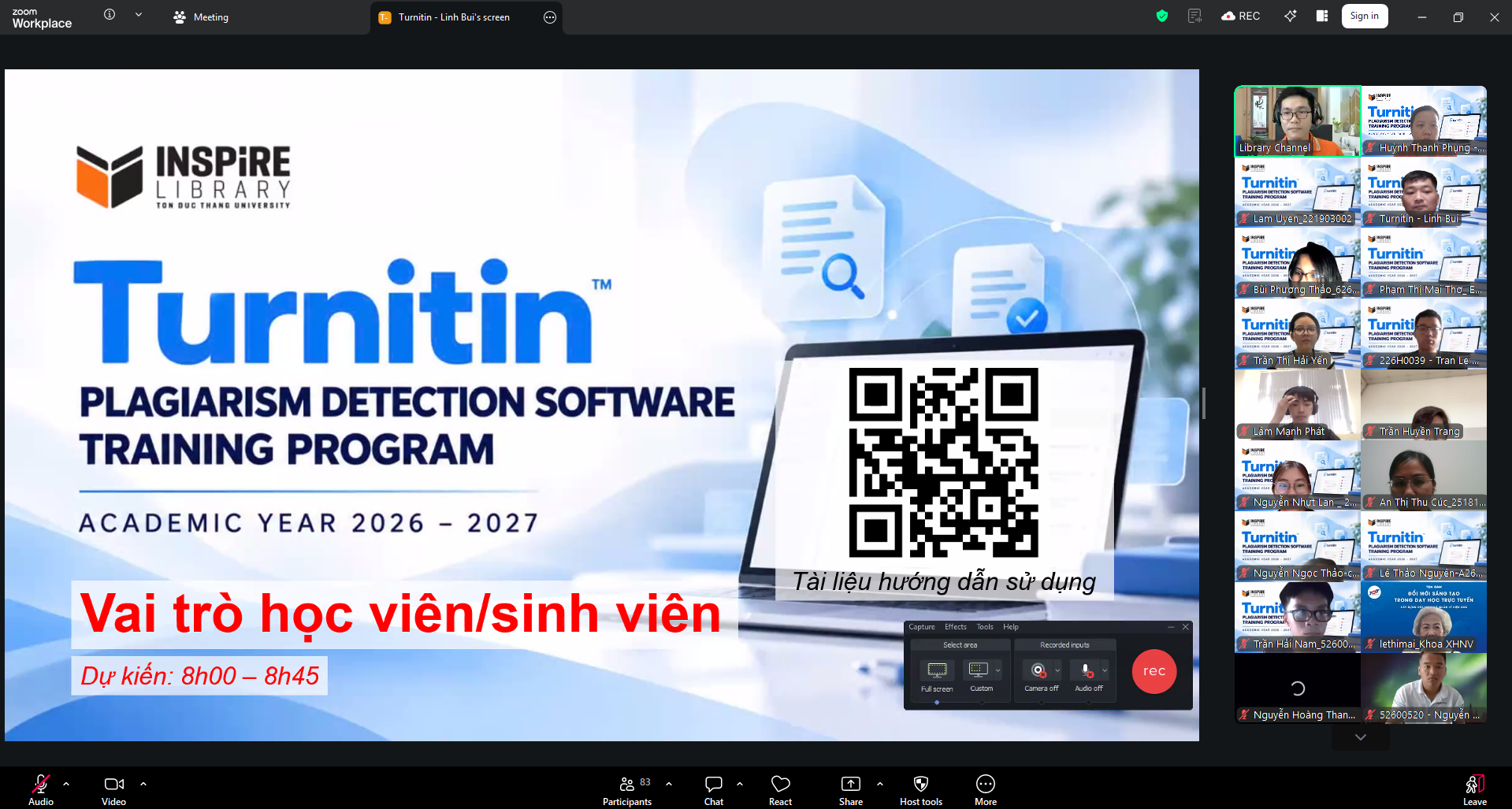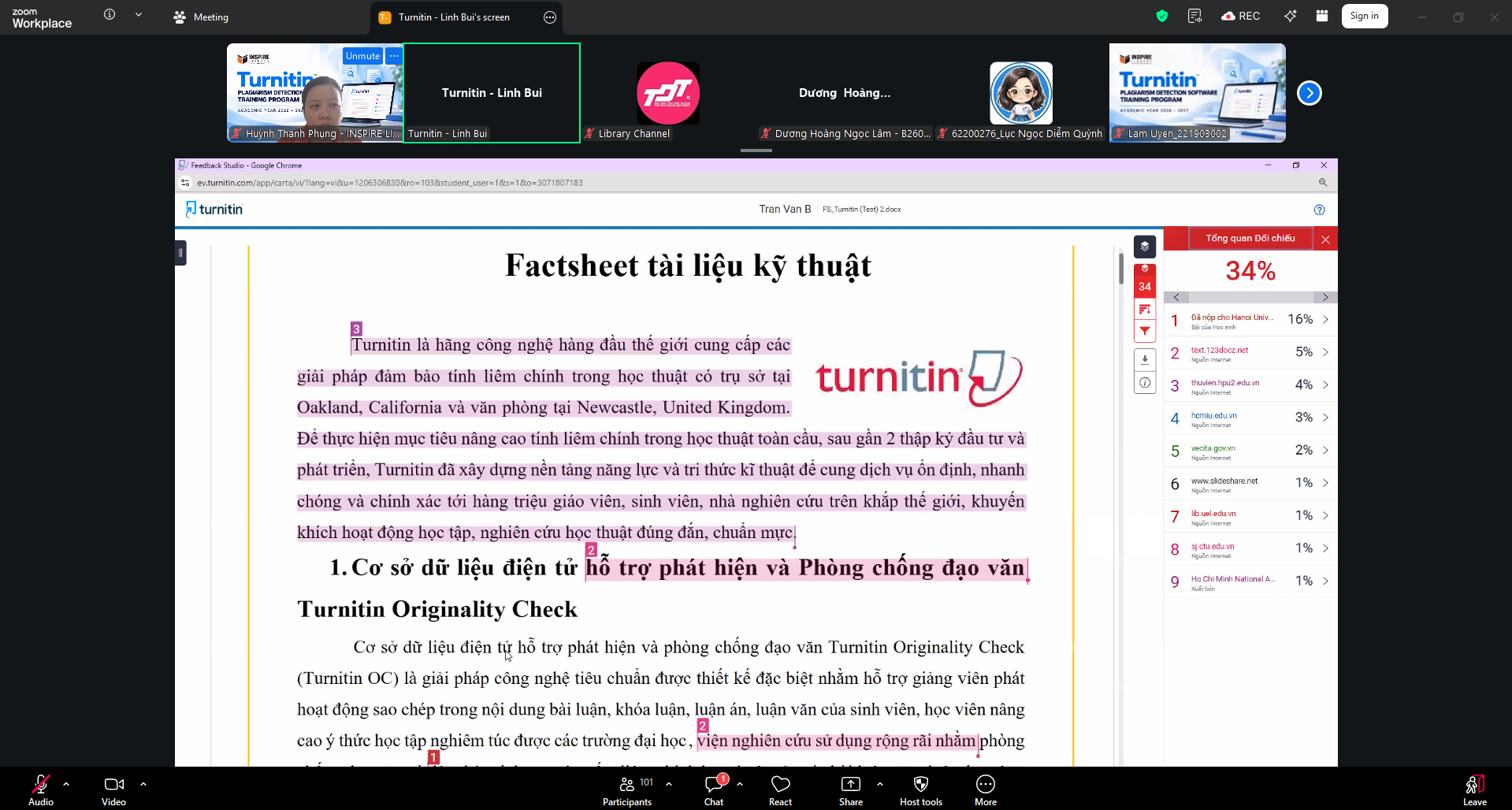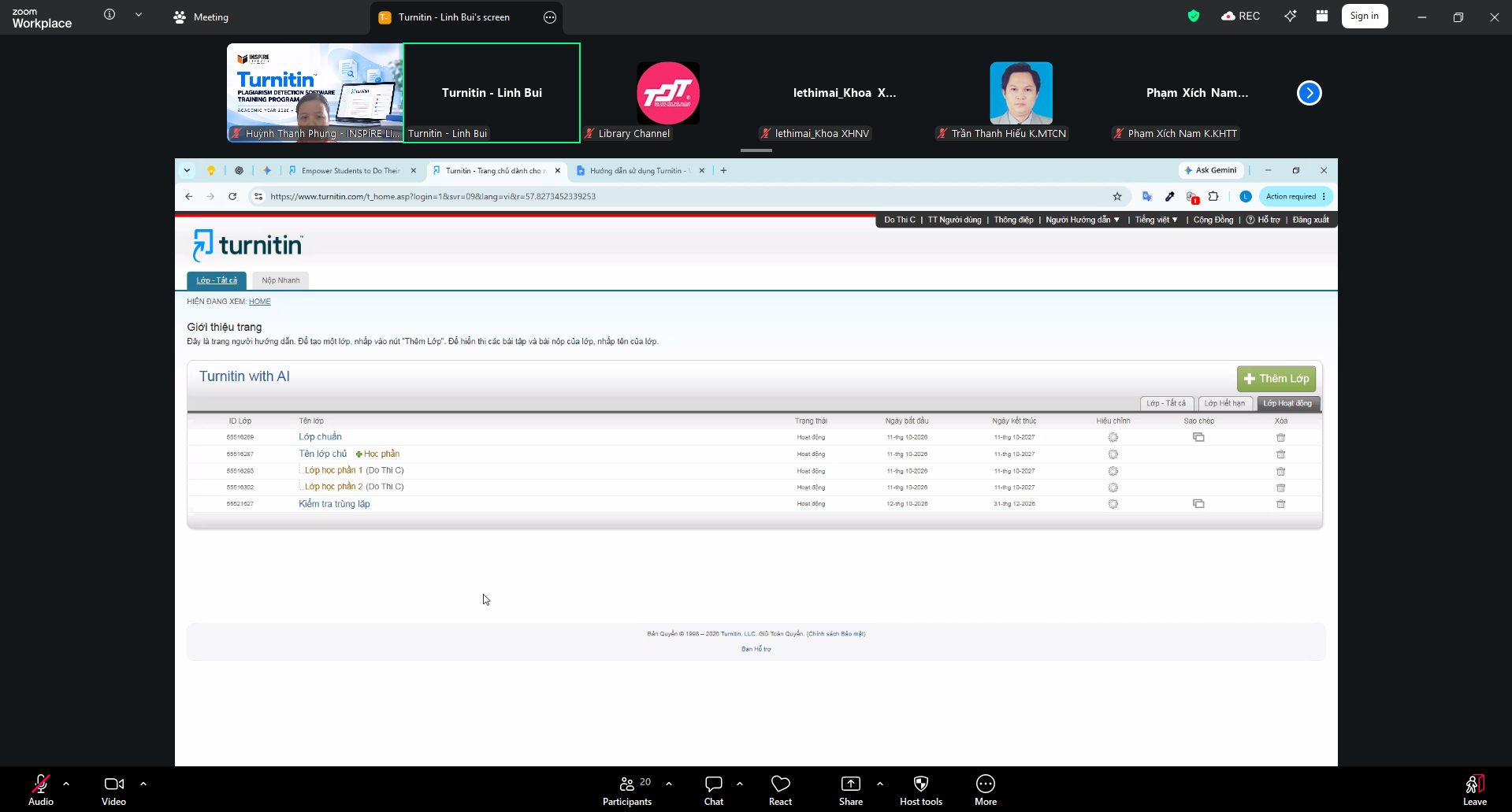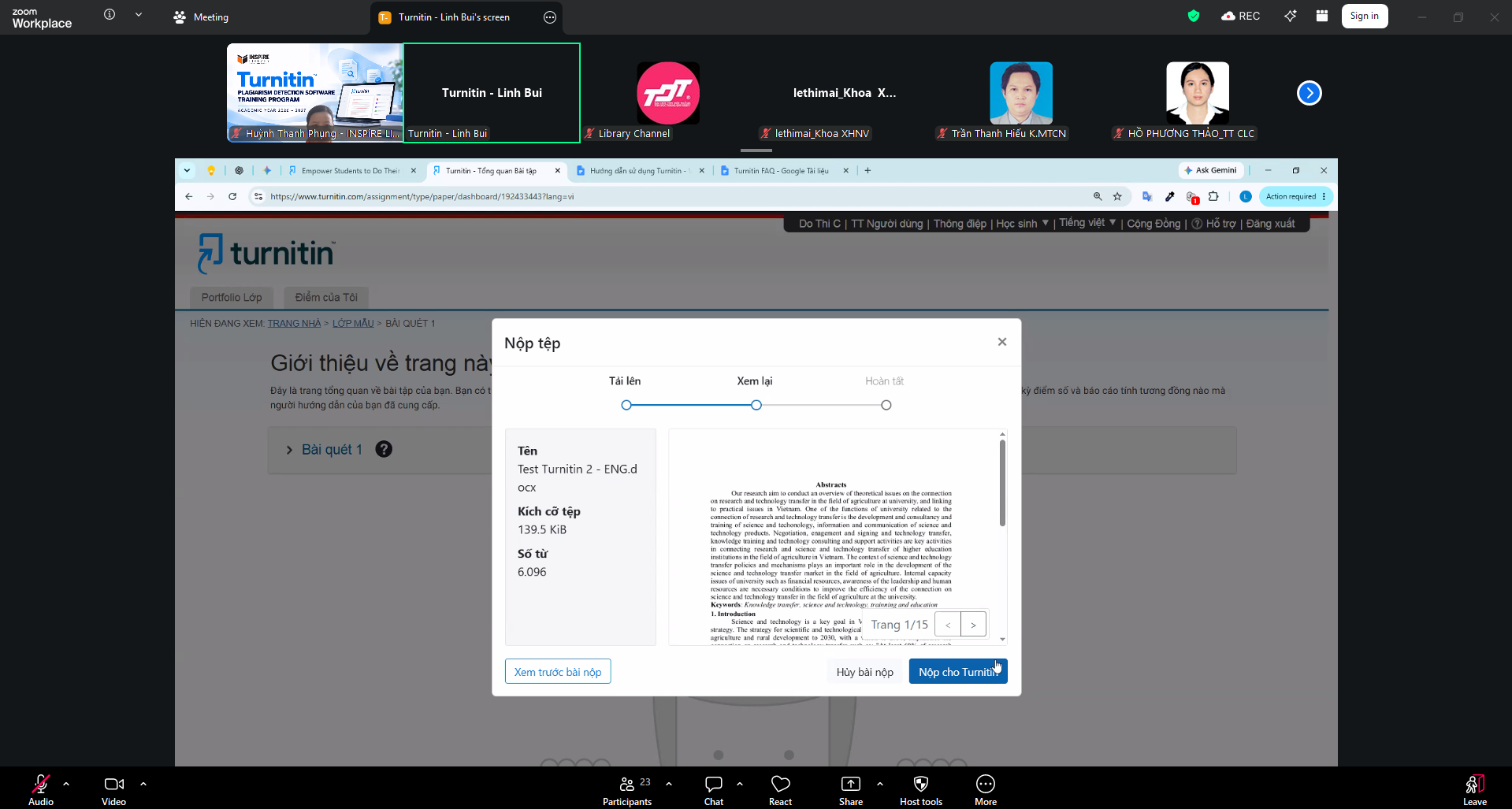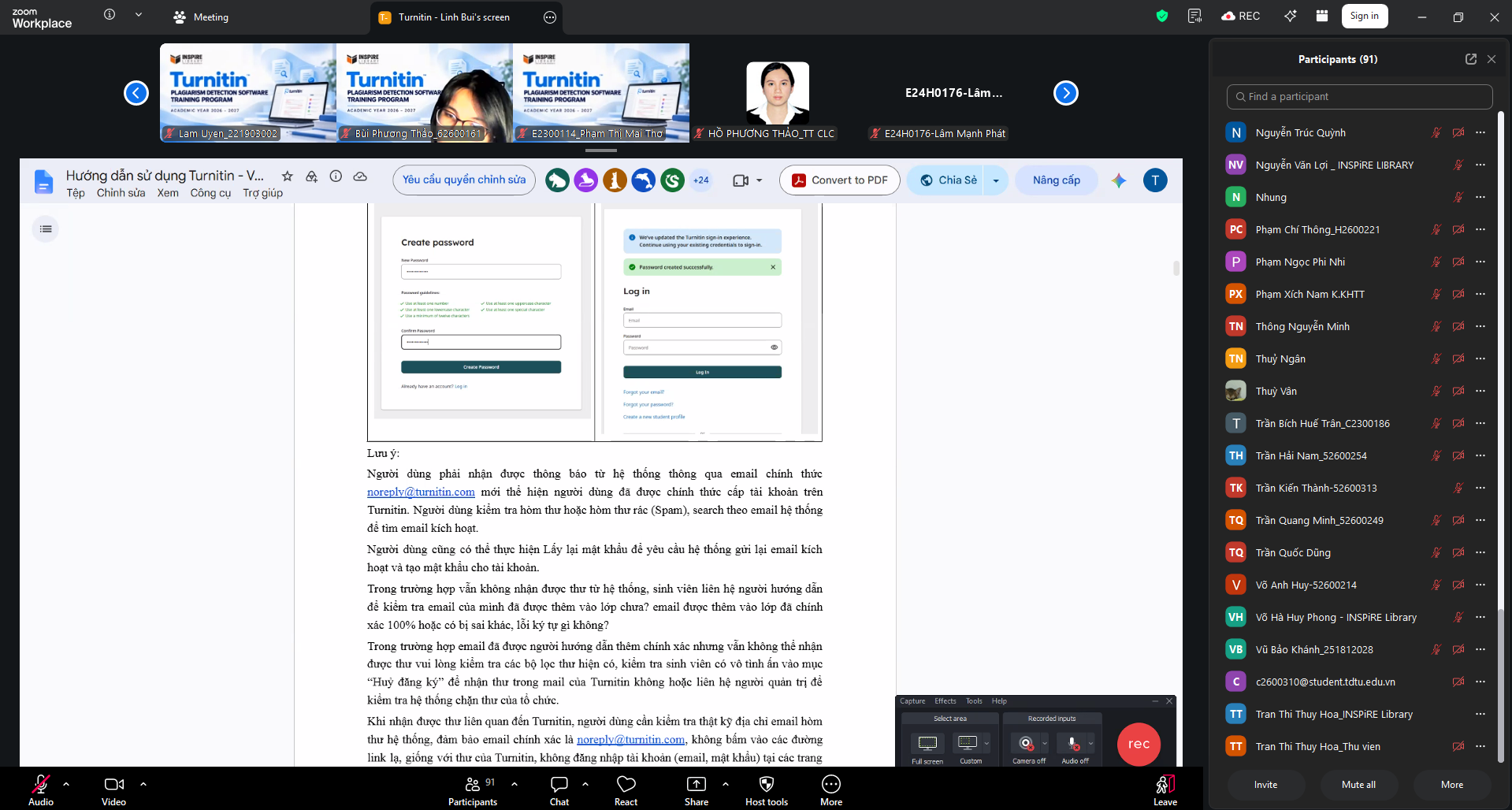



On October 27 and 29, 2026, INSPiRE Library organized the Turnitin Plagiarism Detection Software Training Program for the 2026–2027 Academic Year. The program was led by Mr. Bui Tuan Linh, Turnitin Solutions Lead in Vietnam, and welcomed the participation of lecturers, researchers, doctoral candidates, postgraduate students, undergraduate students, and Turnitin administrators from various University units.
During the training sessions, participants received practical guidance on using Turnitin according to their respective roles, covering everything from submitting papers and managing classes to configuring similarity checking settings and administering user accounts. Particular emphasis was placed on reading, analyzing, and correctly interpreting the Similarity Report, one of the most widely used features for reviewing academic work.
Through practical examples, participants learned how to identify matching content, examine source materials, and assess the appropriateness of citations. An important point highlighted during the training was that the similarity score is not equivalent to a plagiarism score. Turnitin results indicate the degree of textual similarity between a submitted document and sources available in the system. Determining whether academic integrity has been compromised requires further examination of the content, context, use of sources, and relevant academic regulations. Therefore, understanding and interpreting the report correctly is just as important as conducting the similarity check itself.
In addition to the Similarity Report, the program introduced the AI Writing Report, a tool designed to identify text that may have been generated by artificial intelligence (AI). Understanding this feature provides lecturers and students with additional information about AI-detection capabilities while highlighting the importance of interpreting its results with caution. AI detection results should not be used as the sole basis for determining the academic integrity of a submitted work.
For students and postgraduate learners, understanding similarity reports enables them to review and improve their writing, address citation issues, and develop good academic practices that respect intellectual property rights. These skills are essential not only throughout their studies but also in future research and scholarly publishing.
For lecturers and researchers, proficiency in Turnitin supports the supervision, assessment, and feedback processes for students' academic work. Meanwhile, training for administrators strengthens their ability to manage user accounts, monitor software usage, and handle data-related administrative tasks within their respective units. Effective coordination among these user groups helps ensure that Turnitin is used appropriately and efficiently across the University.
As expectations for the quality of education and scientific research continue to grow, academic integrity must be cultivated through everyday practices throughout the learning and research process, rather than addressed only when violations are identified. Responsible use of information sources, proper citation, and honest presentation of research findings are fundamental principles for every student and researcher. When used effectively, Turnitin serves as a practical tool to support these principles.
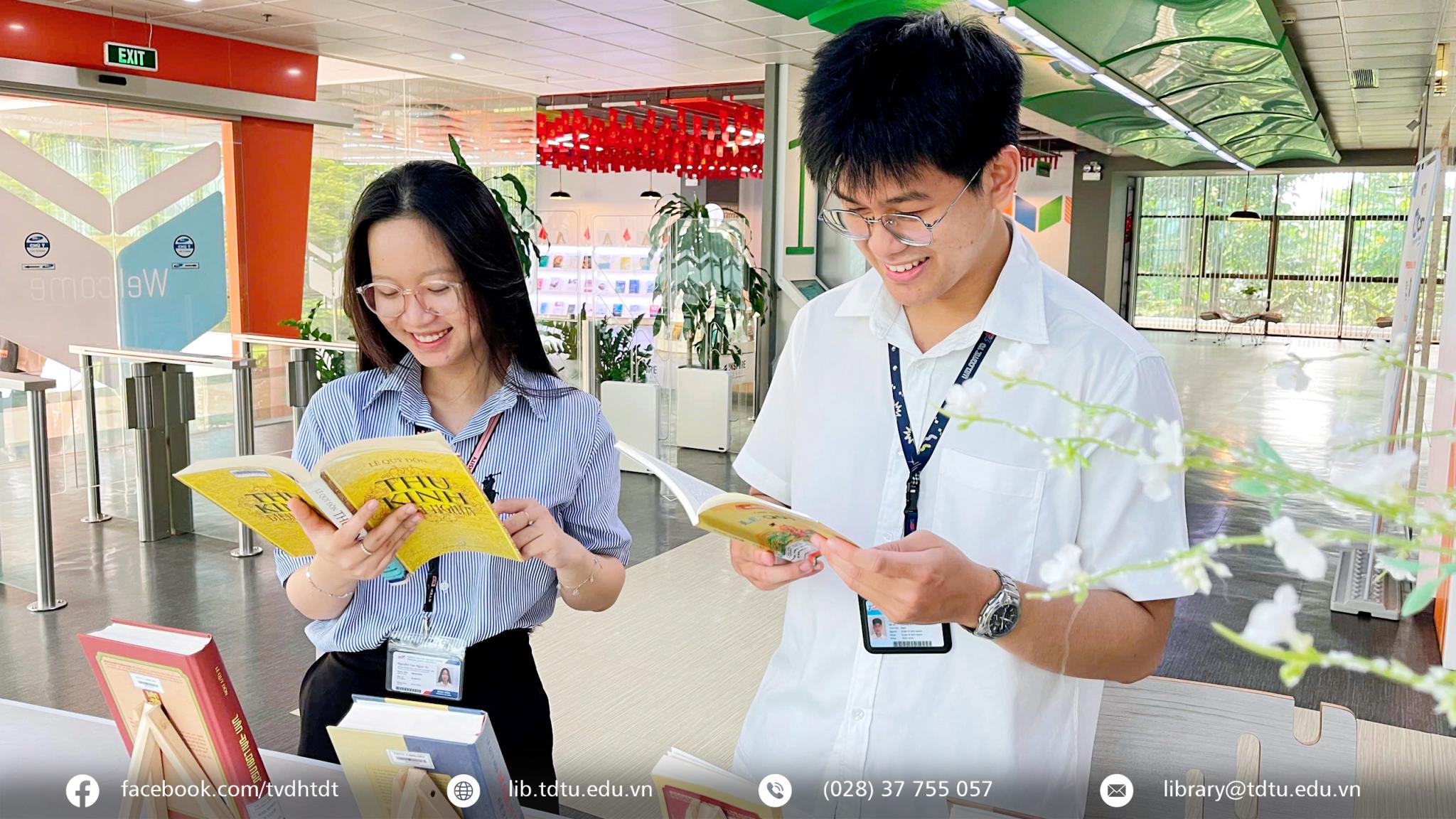
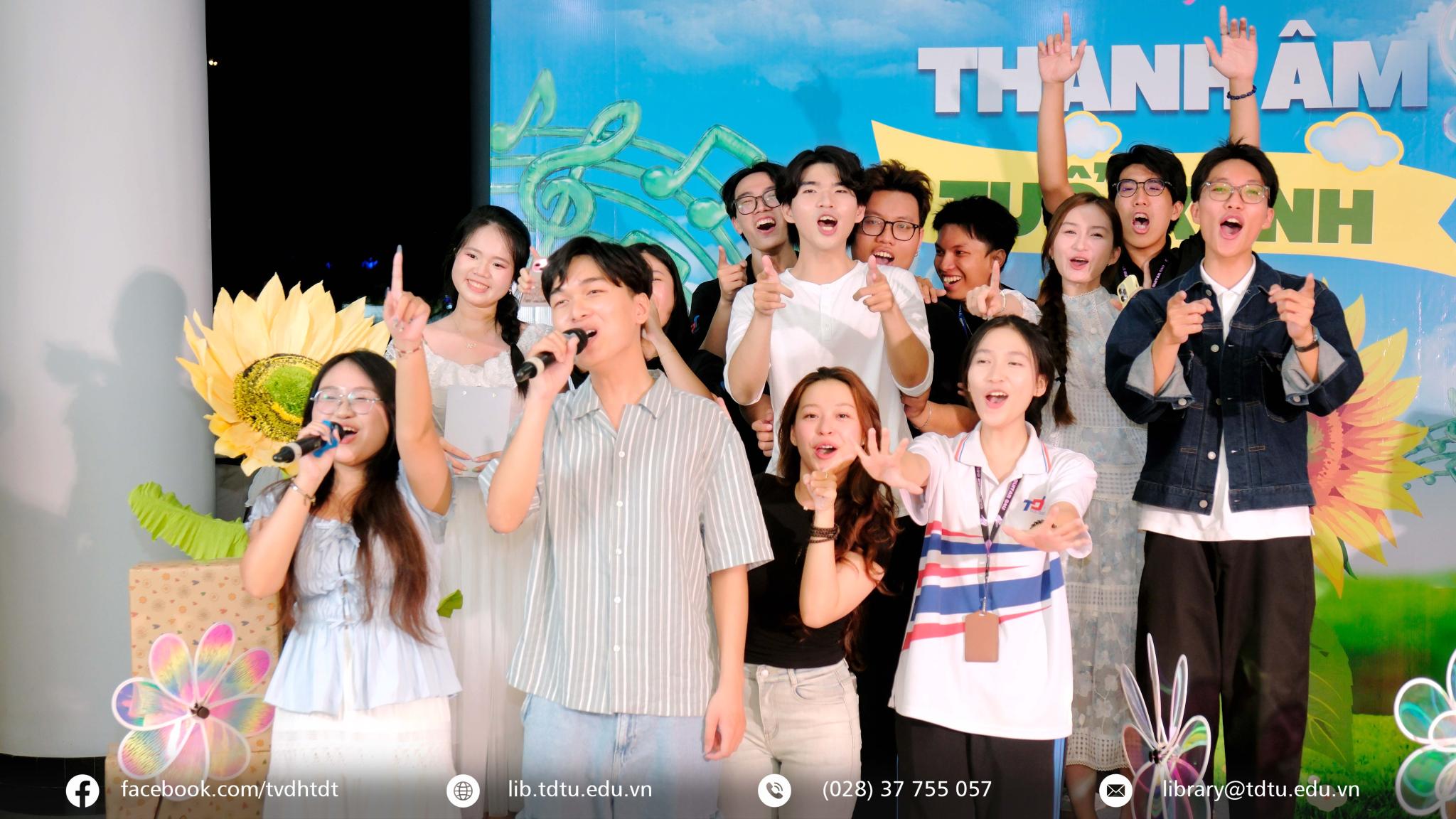
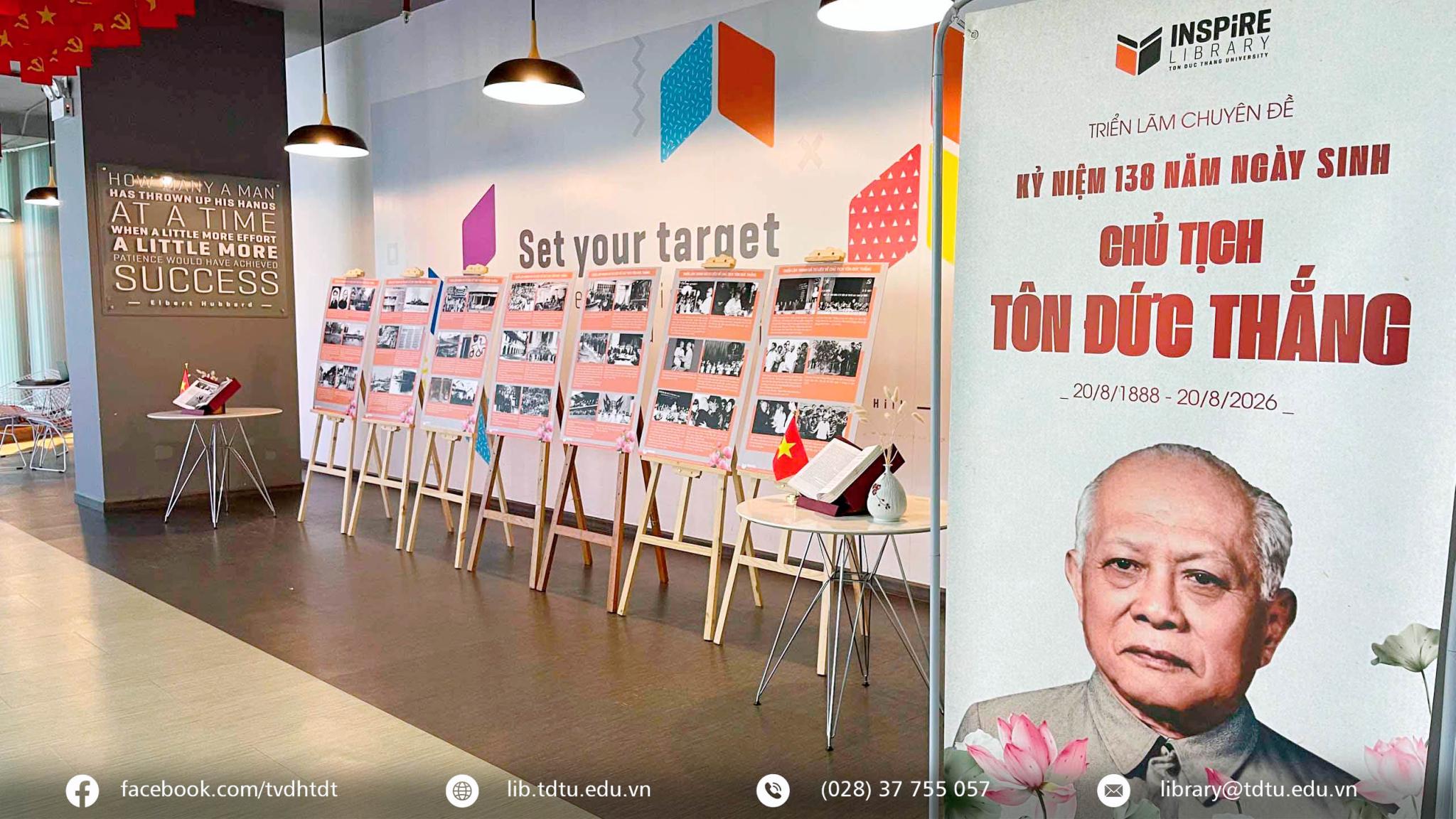
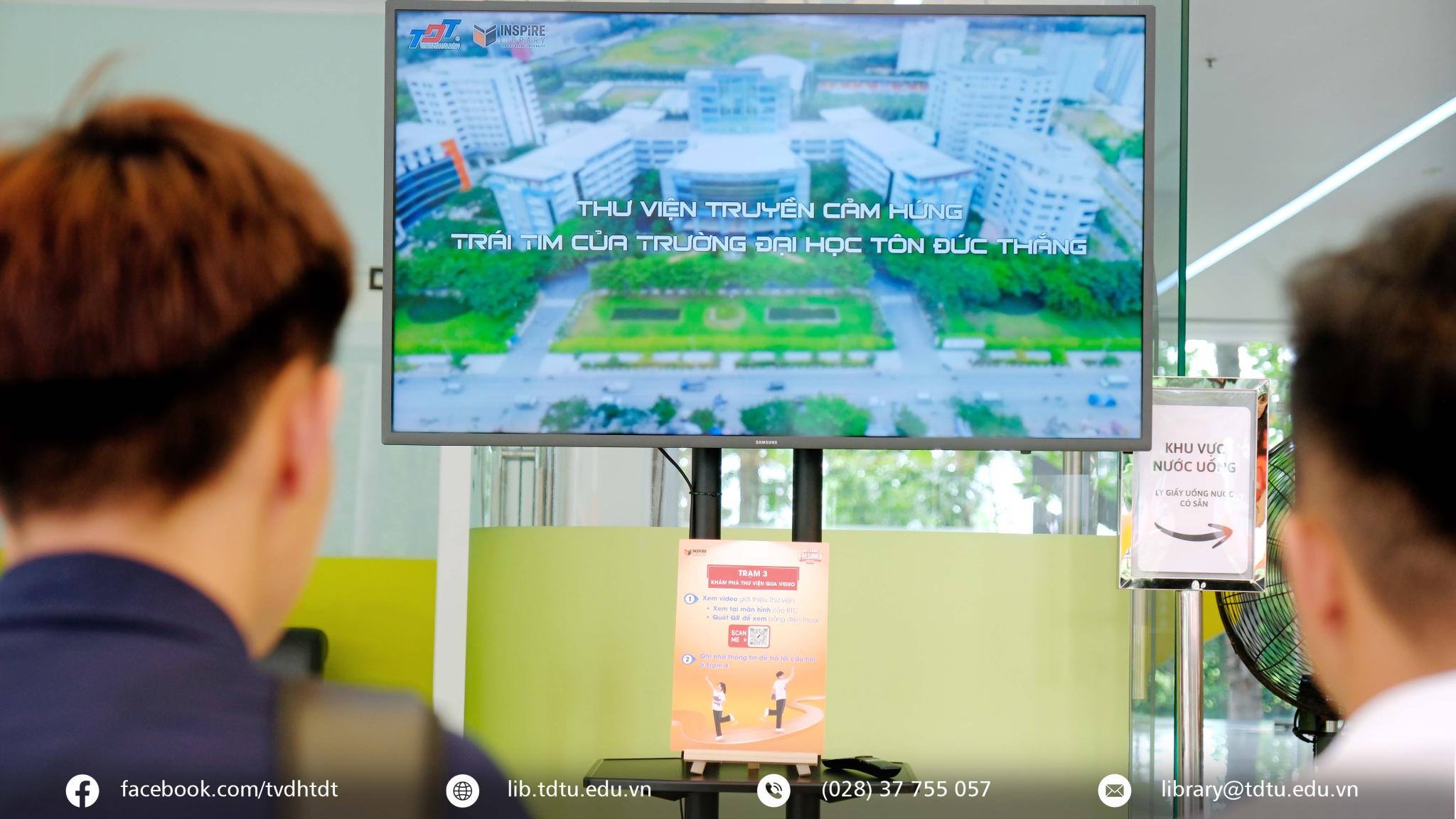
Highlights from the training program: