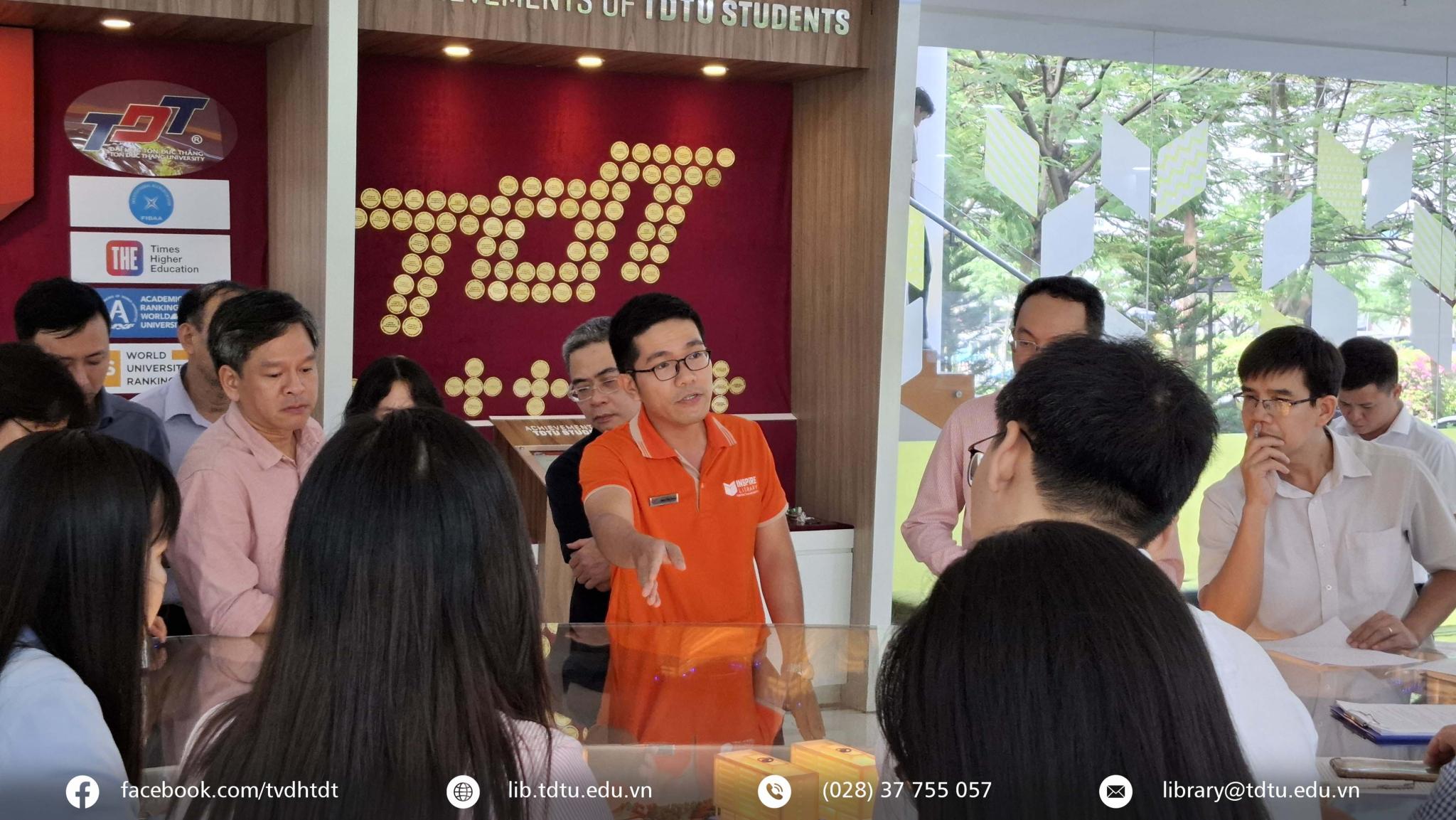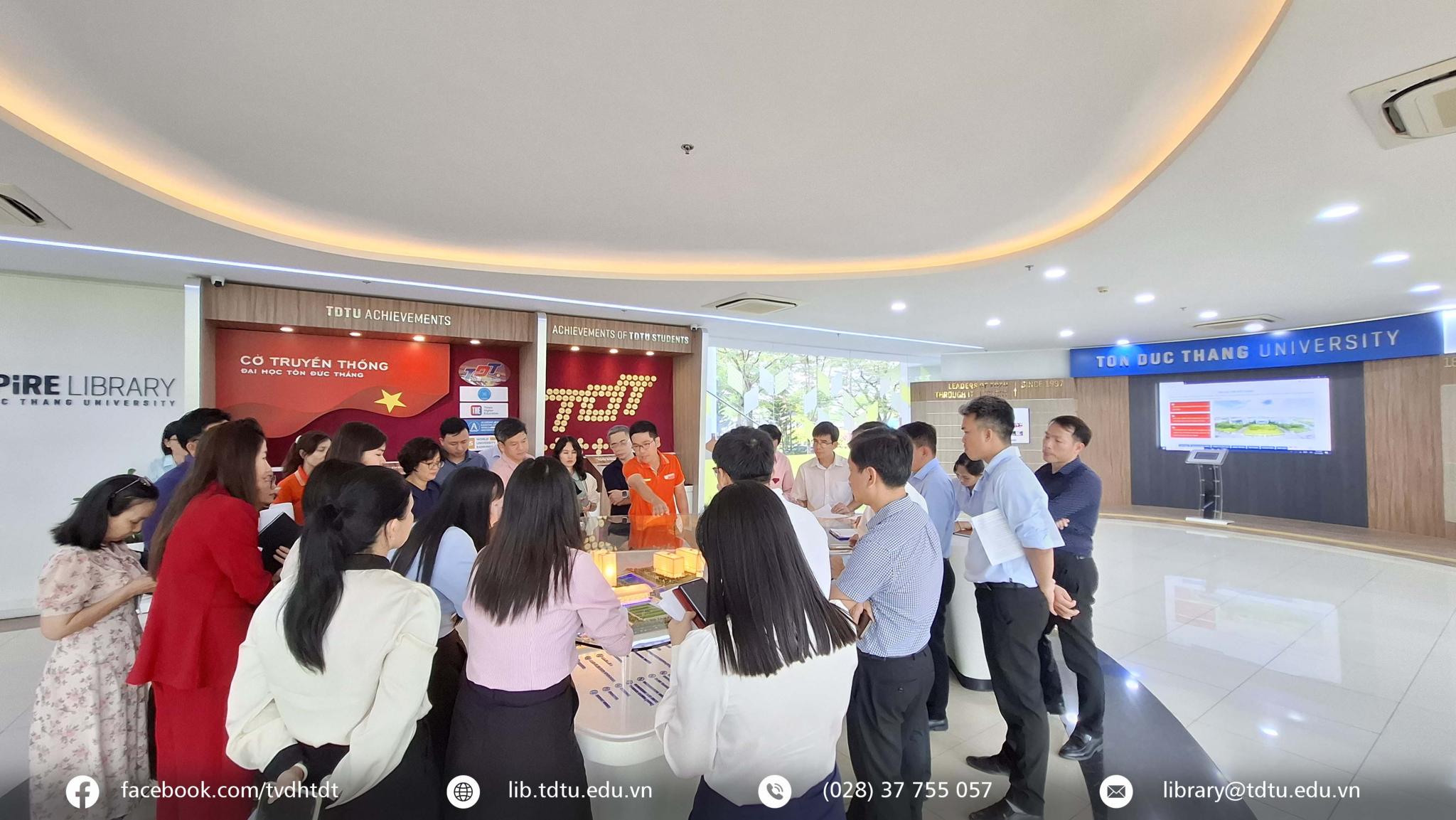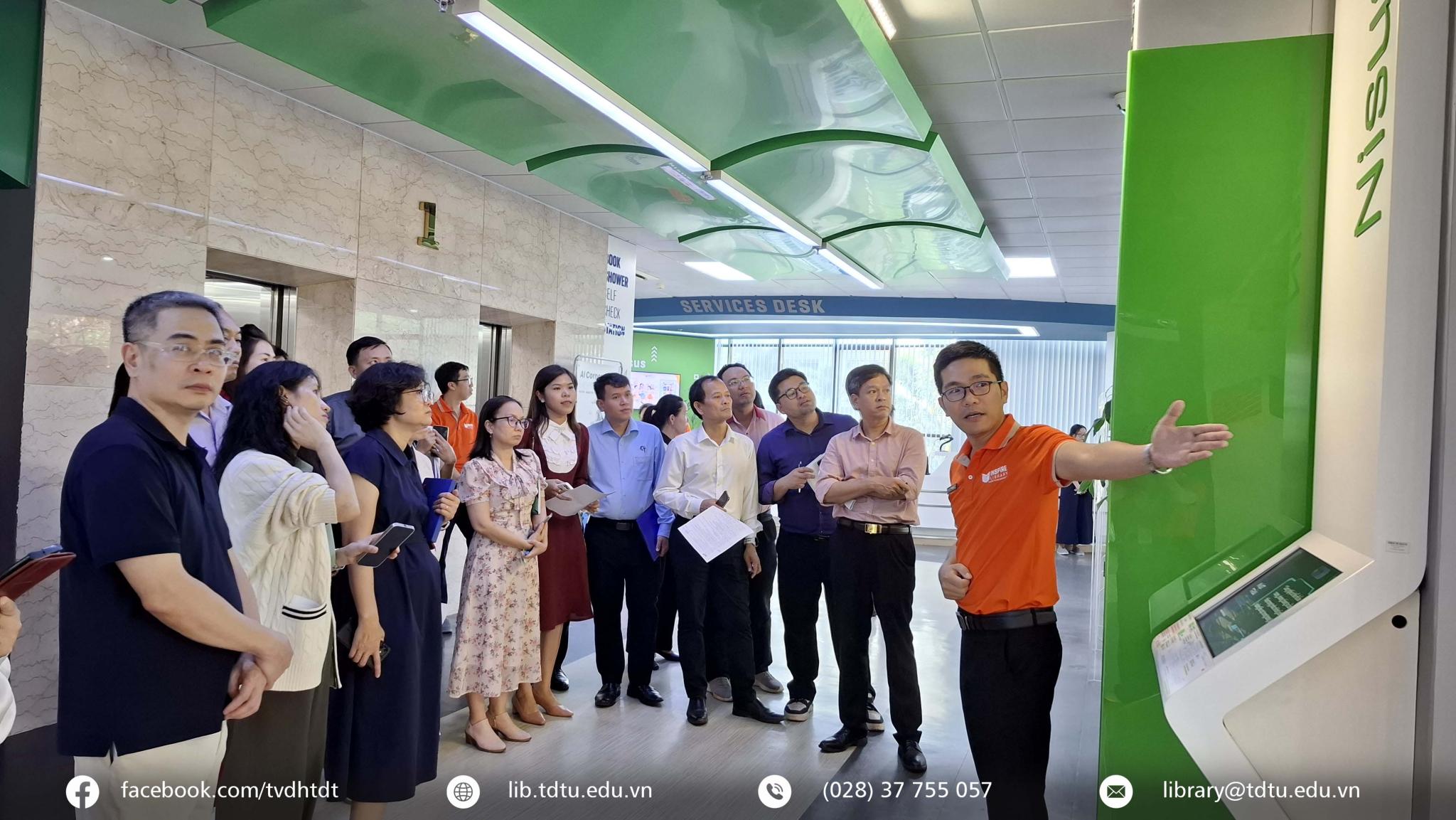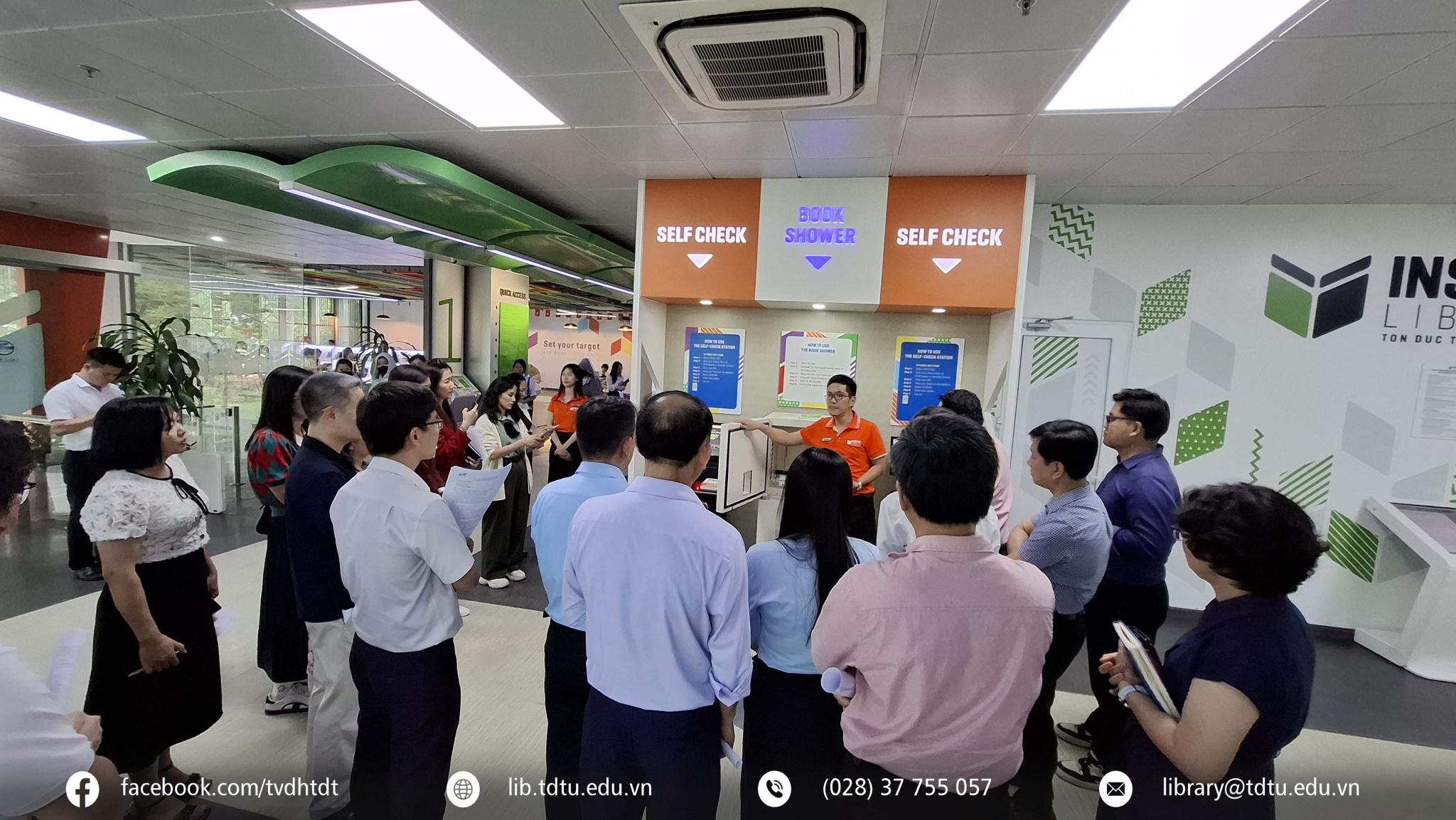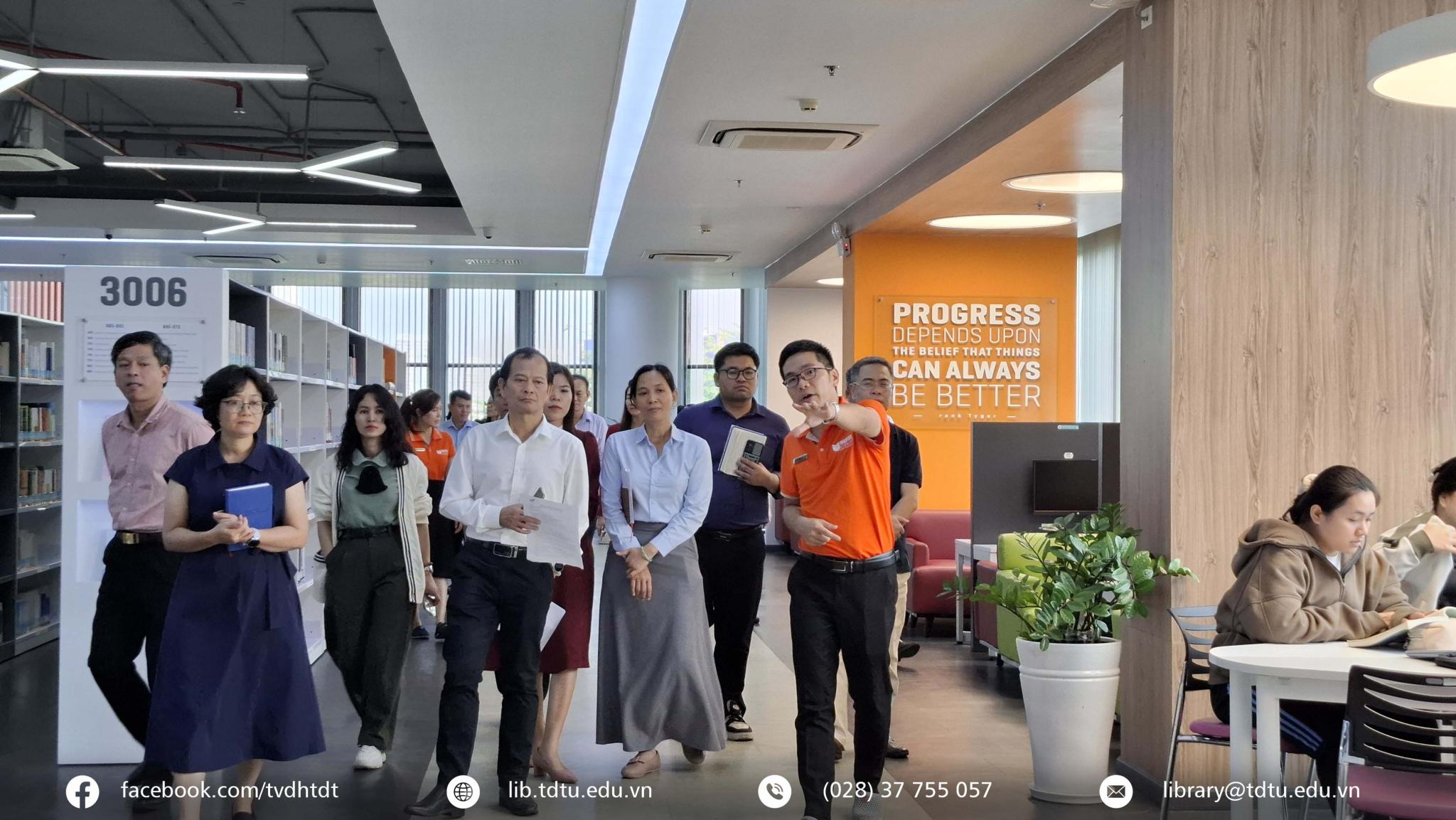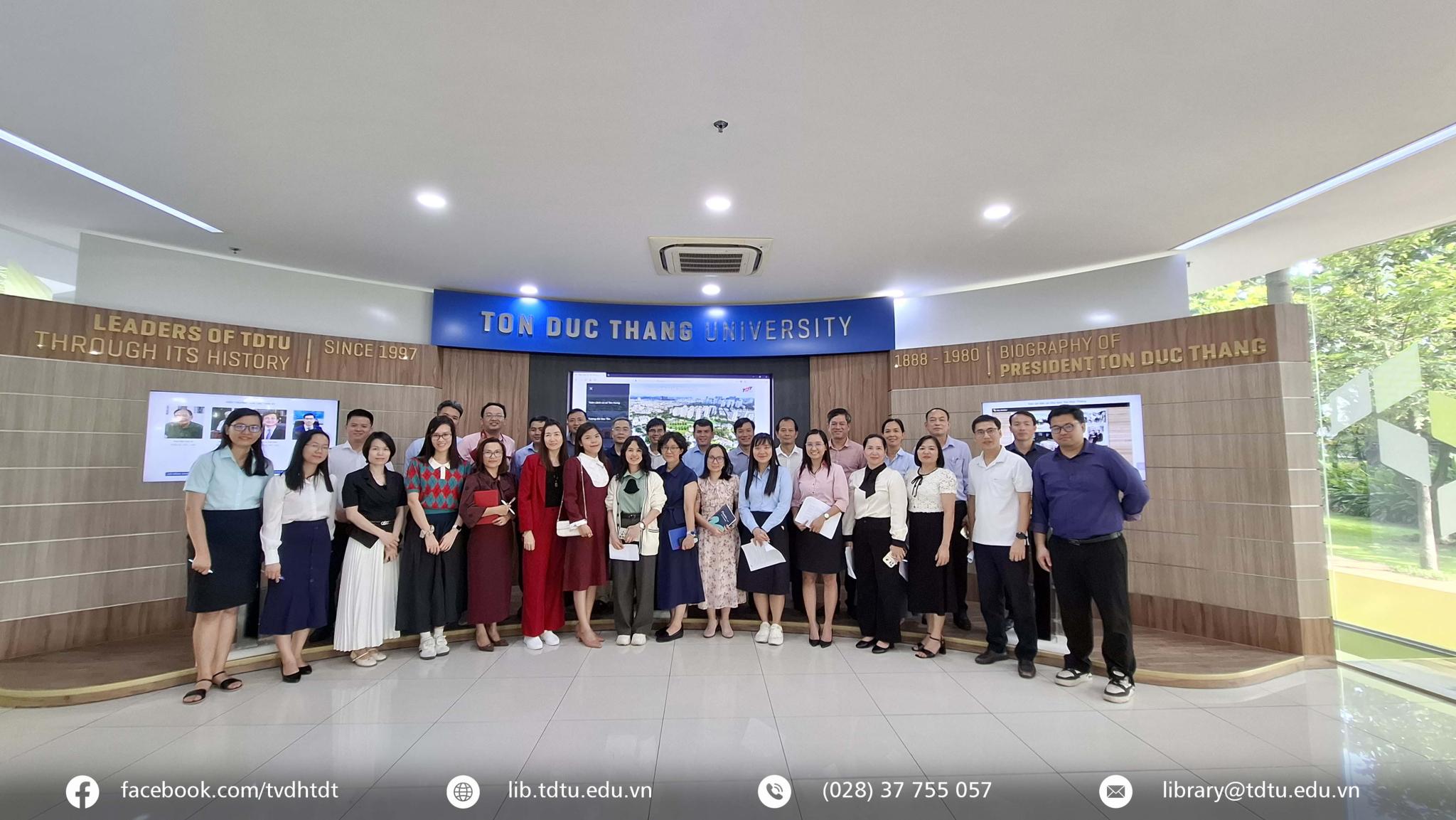



Within the sustainable development strategy of Ton Duc Thang University (TDTU), INSPiRE Library plays a prominent role as one of the representative spaces clearly reflecting the University’s green orientation in line with the UI GreenMetric framework. Over the years, the University has been officially recognized and has consistently maintained a high ranking in the UI GreenMetric World University Ranking. In this context, INSPiRE Library has continued to promote sustainable values through spatial organization, service operations, and the cultivation of a culture of responsible resource use. From this practical foundation, the Library was selected as one of the main site visits, where the delegation spent significant time during the Intensive Training Workshop on the UI GreenMetric Criteria, co-organized by the University and the German Agency for International Cooperation (GIZ), held on December 17–18, 2025.
At present, Ton Duc Thang University is widely recognized as one of the higher education institutions in Vietnam with a well-planned and integrated campus, where green space accounts for more than three quarters of the total area. Academic spaces are harmoniously arranged between architecture and nature, creating a green and environmentally friendly learning environment. A system of natural canals running through the campus is carefully maintained, contributing to air regulation and forming the University’s distinctive green landscape. At the same time, the University operates a centralized waste treatment system and leverages academic strengths from faculties such as Environmental and Occupational Safety Engineering and Applied Sciences to support research, consultancy, and the practical implementation of sustainable development directly on campus.
Within this green campus context, the Library building is located in a position that is both easily accessible to users and closely connected to the surrounding landscape. The building is designed with a glass façade system to maximize the use of natural light, thereby reducing the need for artificial lighting while opening wide views toward the surrounding green areas. This close connection between interior spaces and the outdoor environment enables users to clearly perceive the value of a green setting, which in turn supports mental well-being and enhances the quality of learning, teaching, and research experiences at the Library.
In parallel with its connection to the external landscape, all floors of the Library are furnished with indoor greenery, which is carefully maintained on a regular basis. This work is carried out through close coordination between the Library staff responsible for each floor and the University’s specialized green-space unit, ensuring that plants are appropriate for lighting conditions and spatial use. The integration of greenery into study, self-learning, and interaction areas not only helps improve air quality but also creates a fresh, pleasant atmosphere and enhances the aesthetic quality of the Library. In practice, users tend to choose seating near plants, glass façades, and areas overlooking the surrounding landscape, forming a positive relationship between learning and research productivity and the supportive influence of a nature-friendly study environment.
In terms of infrastructure and energy use, the Library employs energy-efficient lighting systems, maximizes the use of natural light, and strictly complies with the University’s regulations on equipment operation and air-conditioning management. The Library is also part of the University’s building system equipped with rooftop solar panels, contributing to the use of environmentally friendly energy sources and the reduction of emissions during daily operations. These solutions demonstrate that the Library functions as an integral component within the University’s overall green infrastructure ecosystem.
With regard to emission reduction, the Library has actively promoted digital transformation and service automation under a “digital-first” approach. Electronic display systems at quick-access points, user computer areas, information screens, and digital standees are extensively utilized to minimize reliance on printed notices. Automated services such as borrowing and returning materials, printing, and fee payment are integrated with users’ online accounts, allowing accurate and comprehensive transaction information to be displayed without the need for printed receipts. At the same time, a roadmap for digitization and the development of electronic resources has been implemented to expand access to knowledge while reducing paper consumption in resource use.
Library spaces are organized according to the Learning Commons model, allowing flexible reconfiguration to support learning, research, interaction, and the organization of academic and cultural activities. This approach optimizes space utilization while limiting the need for fixed, rigid infrastructure investments. Self-study, meeting, and interaction areas are oriented toward green views; the main lobby stairwell area is designed as an open, airy space with integrated seating for rest and informal interaction. Notably, the outdoor space on the 5th floor allows users to directly experience natural air when studying or socializing with peers and colleagues in an open setting.
In addition to infrastructure and technological solutions, the Library places strong emphasis on educating users and fostering a green culture within the community. Maintaining cleanliness, minimizing waste, and using shared spaces responsibly have long become ingrained habits among TDTU students. Within the Library, waste is reduced at the source through limitations on disposable items; small, unobtrusive waste bins are placed at appropriate locations, in line with the nature of an academic environment that prioritizes cleanliness and order. This culture of cleanliness, requiring minimal reminders, is considered part of the University’s broader ethos of civilized conduct and is clearly reflected in the Library. The Library also encourages students to limit the use of single-use items. Reminder stickers promoting water and paper conservation are appropriately placed in functional areas to raise awareness of responsible resource use in daily activities.
Alongside the implementation of green practices in daily operations, the Library actively promotes and disseminates environmentally friendly values through its activities, including the reception of domestic and international delegations. Over the years, the Library has regularly served as a stopover for site visits, academic exchanges, and experience-sharing programs related to the University’s development model. Through the introduction of its spaces, service organization, and culture of resource use, sustainable development values are conveyed in a practical, visual, and accessible manner to visiting delegations.
Through the presentation of its model and practical experience to delegates of the Intensive Training Workshop on the UI GreenMetric Criteria, the Library of Ton Duc Thang University continues to demonstrate its proactive role in accompanying the University in maintaining and promoting sustainable development values. The outcomes achieved at the Library not only reflect the University’s overall success in building a green campus but also illustrate how sustainable development criteria are translated into daily operational practices, thereby contributing to the long-term dissemination of a humane, responsible, and sustainable development mindset.
Selected images from the sharing session: